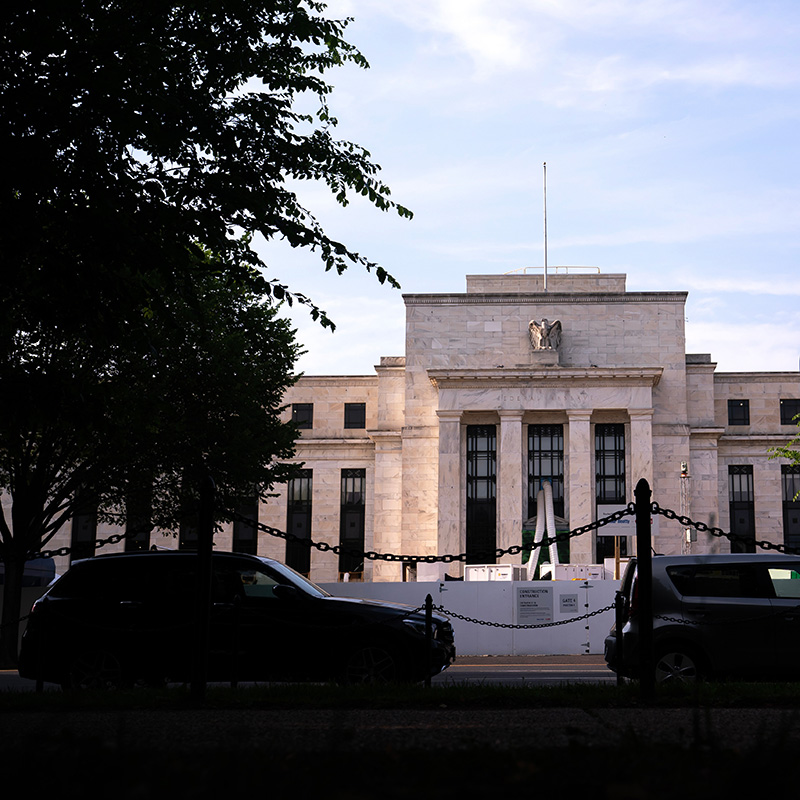
 The Marriner S. Eccles Federal Reserve building in Washington, D.C.
U.S. economic activity was little changed in recent weeks, though overall consumer spending declined further except among higher-end shoppers, the Federal Reserve said. Employment declined slightly and prices rose moderately, according to the U.S. central bank’s Beige Book survey of regional business contacts released Wednesday.
“Outlooks were largely unchanged overall,” the Fed said. “Some contacts noted an increased risk of slower activity in coming months, while some optimism was noted among manufacturers.”
The report was based on information collected by the Fed’s 12 regional banks through November 17 and compiled by the Federal Reserve Bank of Dallas. Multiple districts, including New York, Atlanta, and Minneapolis, reported that spending among upper-income consumers was resilient, but was flagging for low- and middle-income households.
“Contacts noted that higher-income customers were unconstrained, but ‘customers in the middle to lower end of the financial spectrum are tightening the belt,’ said one contact,” according to the Minneapolis Fed.
Fed policymakers have been divided over whether to hold or lower interest rates at their next meeting in December. The report offered something for officials on both sides of the current policy debate.
While there was an increase in layoff announcements, more districts said businesses were deploying labor-saving tactics like hiring freezes and attrition instead of cutting workers directly.
On prices, tariffs were still a concern for businesses, especially those in manufacturing and retail, which reported widespread input cost pressures. Multiple firms reported tighter margins or financial strain related to tariffs, but some also said prices had declined due to reduced demand or delayed or reduced tariff rates.
“Looking ahead, contacts largely anticipate upward cost pressures to persist, but plans to raise prices in the near term were mixed,” the Fed said.
Wage increases have been broadly in line with the Fed’s inflation goal in recent months, but the report said firms in the manufacturing, construction, and healthcare sectors saw “moderate” wage pressure. A staffing company in the Philadelphia district said immigration policies, which have drastically slowed the number of new workers entering the country, are causing many managers to raise wages to compete for a smaller pool of workers.
Impact of the Shutdown
The report was mostly compiled during the government shutdown, which ended November 12. It noted that some retailers said the shutdown had a negative impact on consumption. There was also increased demand for food assistance, partly due to the disruption in the distribution of SNAP benefits while the government was closed, community organizations reported.
Anecdotal reports on how businesses and consumers are faring have drawn more attention in recent months because the shutdown disrupted the collection and reporting of key economic data. Fed officials won’t have most labor market and inflation figures for October and November until after their December meeting.
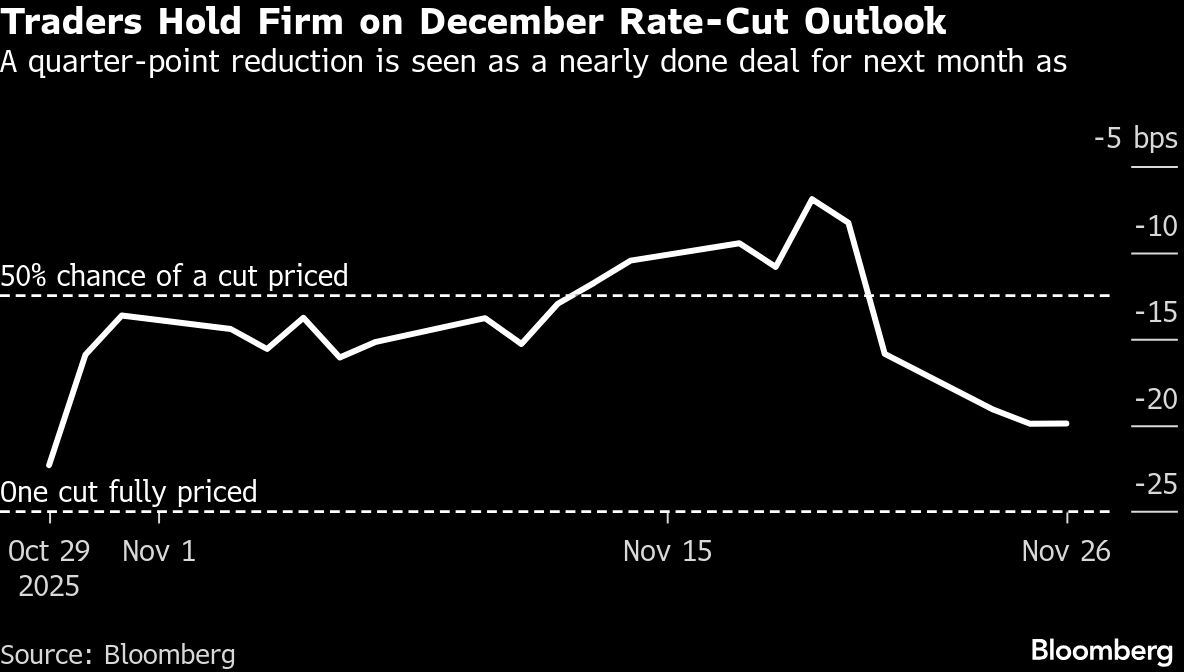
The dearth of official national-level data has contributed to a splintering among Fed officials over whether to lower interest rates next month. Market bets for the December meeting have whipsawed between a cut and holding rates steady, though the odds of a cut are now at around 80 percent after two policymakers who often hew closely to Chair Jerome Powell’s preferences signaled they’d support lowering rates.
District HighlightsBoston: “Restaurants’ menu prices were flat, although contacts expected the rising beef prices to exert pricing pressure going forward. A clothing retailer kept prices steady recently but experienced a pronounced pullback in sales of certain items in response to earlier markups.” New York: “Demand for workers in finance and technology, especially those with AI [artificial intelligence] skills, remained extremely strong, with firms having difficulty filling such positions.” Philadelphia: “Consumer-facing firms reported difficulty raising prices, as more consumers search for discounts and cash in loyalty points. A restaurateur observed that although family restaurants are full, competition has driven menu pricing into unprofitable territory.” Cleveland: “Although multiple contacts continued to report strong demand related to expanding AI data center construction, some described a ‘collective holding of breath’ as these fast-paced build-outs became a primary driver of demand even as other industry segments remained weak.” Richmond: “Several contacts expressed concern that declining consumer confidence was impacting customer willingness to make larger purchases.” Atlanta: “Many firms have exhausted cost-cutting methods and plan to implement price increases in the coming months by targeting increases toward products with stronger demand to minimize broader demand erosion.” St. Louis: “Another restaurant contact noted their daily regulars were now coming in just two or three times a week and not ordering full meals like they used to.” Minneapolis: “Retail firms expected subdued hiring for the holiday season.” Kansas City: “Reductions in headcount continue to occur primarily through attrition rather than layoffs, suggesting businesses are still cautious about losing talent.” Dallas: “A manufacturer noted rising raw material costs from international vendors as well as national suppliers.” San Francisco: “Consumers at the lower end of the income distribution continued to reduce their discretionary spending, including on full-service restaurant dining, elective healthcare, entertainment, and beauty and personal services. ... Demand from consumers at the higher end of the income distribution was resilient.” |
Copyright 2025 Bloomberg. All rights reserved. This material may not be published, broadcast, rewritten, or redistributed.
© Arc, All Rights Reserved. Request academic re-use from www.copyright.com. All other uses, submit a request to TMSalesOperations@arc-network.com. For more information visit Asset & Logo Licensing.